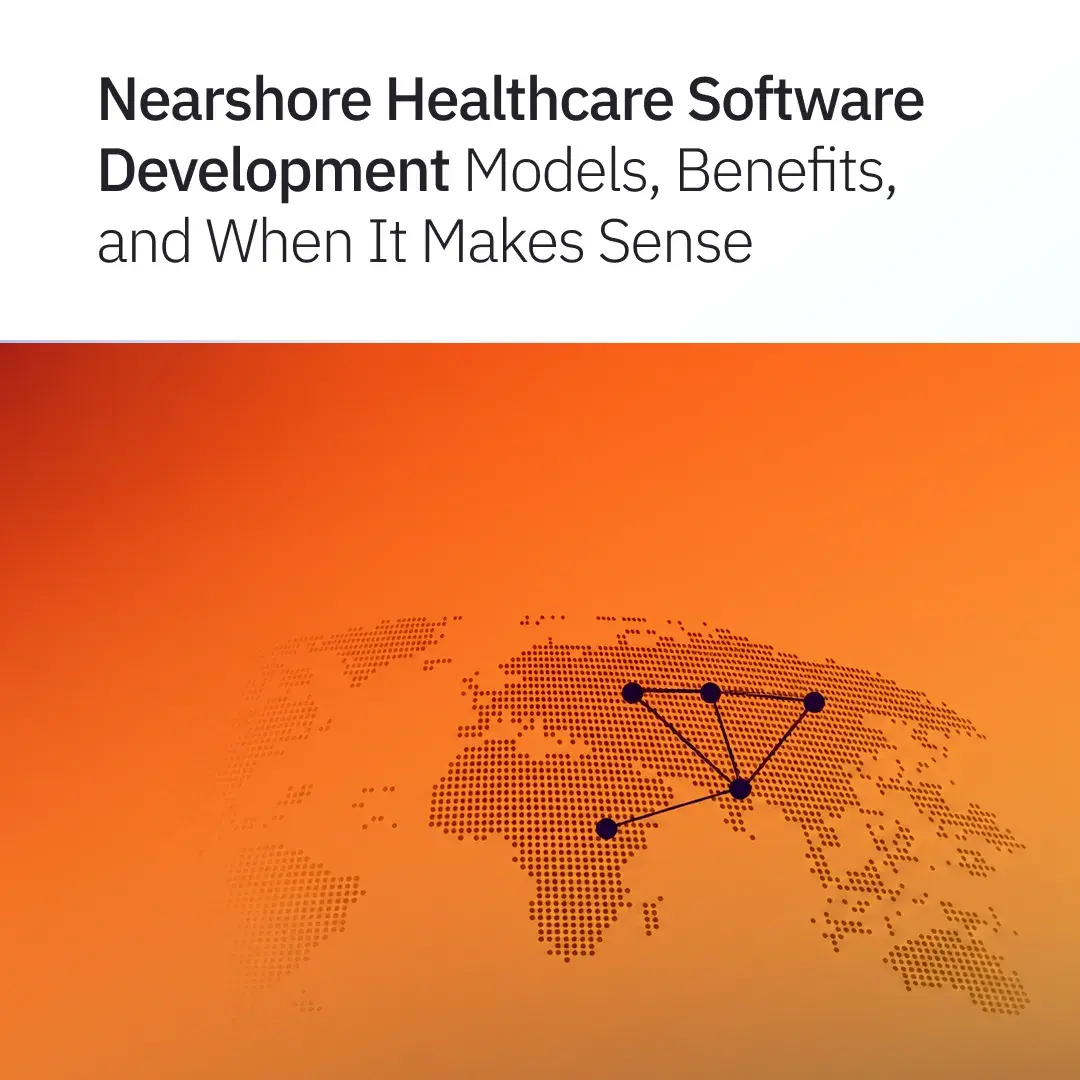
Nearshore Healthcare Software Development | Nearshore IT Solutions
Explore nearshore healthcare software development for HealthTech, MedTech, AI, EHR integration, compliance, and scalable product delivery.



Each of our in-house futurists, digital strategists, UI/UX designers, and mobile app developers comes from drastically different worlds.
Explore nearshore healthcare software development for HealthTech, MedTech, AI, EHR integration, compliance, and scalable product delivery.
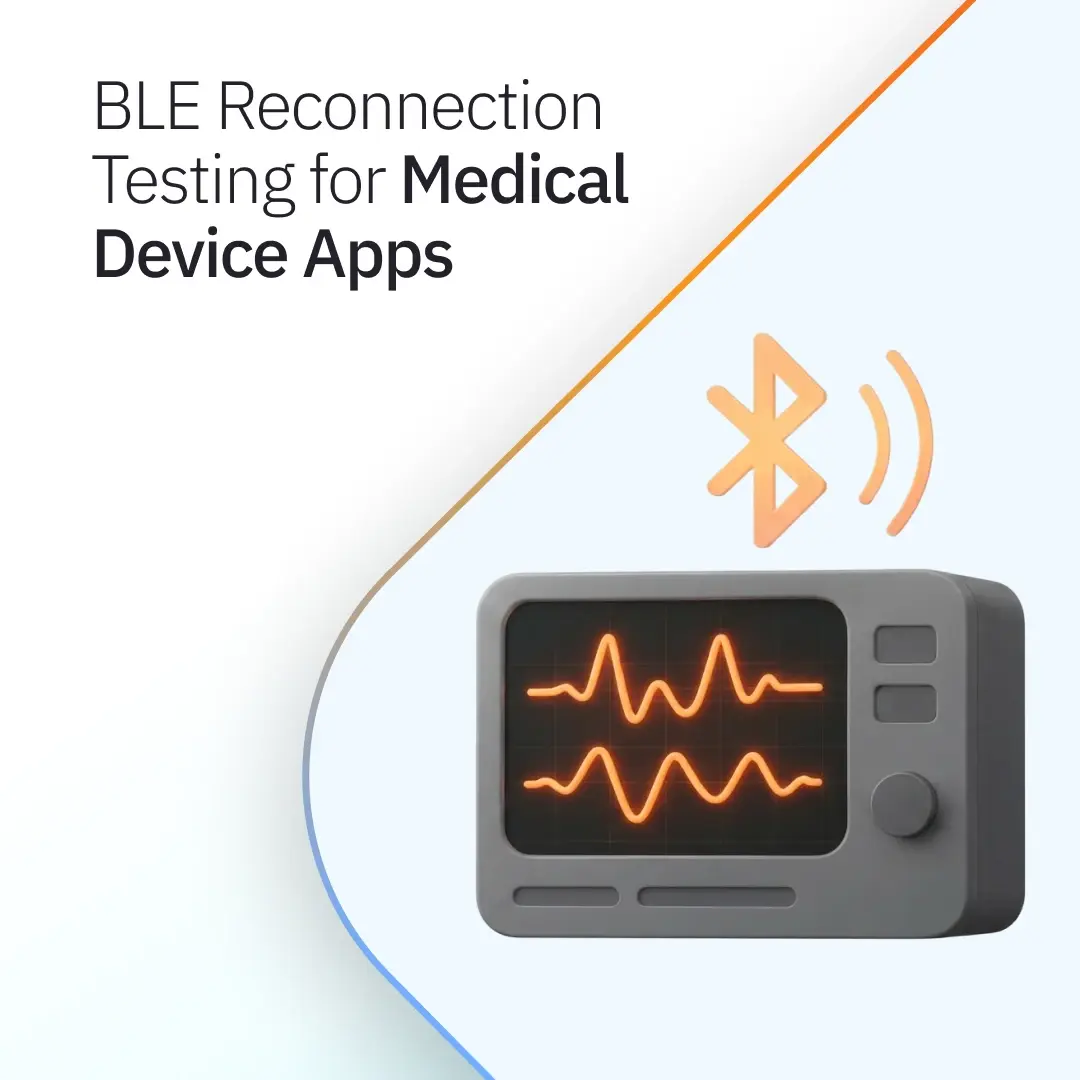
Learn how to test BLE reconnection, pairing, GATT recovery, background behavior, and data integrity in medical device companion apps.
HCA Healthcare uses robotic process automation in healthcare to automate workflows, reduce costs, improve efficiency, and enhance patient care.
Learn how to build HIPAA-compliant healthcare AI applications with secure architecture, PHI protection, AI governance, and enterprise deployment.
Explore how enterprise healthcare AI platforms use FHIR, MCP, and RAG to retrieve clinical context and orchestrate intelligent workflows.
Explore the best healthcare AI tech stack, including LLMs, agent frameworks, databases, APIs, and cloud tools for production-ready AI applications.
Build scalable healthcare AI agent architecture with AI agents, interoperability, secure infrastructure, and production-ready engineering practices.
Build healthcare AI agents by defining clinical workflows, choosing the right AI stack, integrating FHIR, and ensuring HIPAA compliance.
Discover how AI-native development, agents, MCP, and ADLC are transforming healthcare engineering, clinical workflows, and digital health innovation.
Telemedicine software features include video consultations, EHR integration, ePrescribing, remote monitoring, and secure messaging for better care.
